

%20(1).webp)


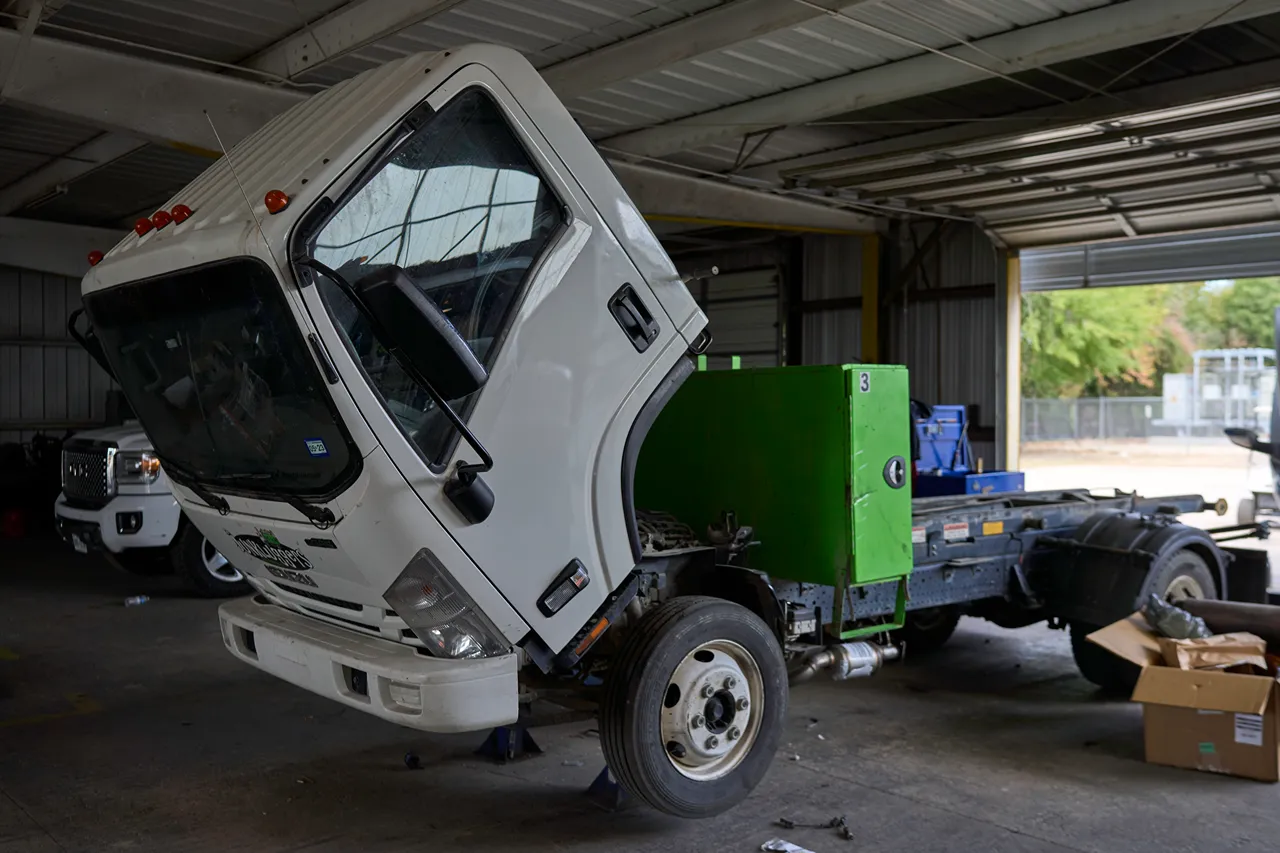
September may be on the calendar, but Austin trucks are hardly cruising into cool weather. After months of high temperatures, stop-and-go traffic, loaded operation, and repeated braking, wear that built up through summer can still be sitting quietly at the wheel ends.
The issue is accumulated heat and commercial-duty use, not simply the outdoor temperature. A focused commercial brake inspection in September can help you catch developing problems before another regional haul or busy fall operating cycle turns them into downtime.
Why Should Austin Fleets Schedule September Brake Checks?
Austin's September weather can still feel plenty like summer, with normal highs remaining near 95°F early in the month and averaging roughly 91°F across the month. For a truck that has spent June, July, and August hauling through Texas heat, September makes a practical checkpoint for assessing what those conditions may have left behind.
Operating conditions matter just as much. Trucks moving through I-35 congestion may cycle between acceleration and braking repeatedly, while vehicles serving southeast Austin's airport and industrial areas can spend their days moving between local stops, arterials, terminals, and higher-speed routes.
That combination makes heavy-duty brake maintenance especially important for Class 7–8 tractors, semi-trailers, straight trucks, dump trucks, delivery vehicles, and service fleets.
How Much Brake Lining Wear Is Left?
Start with the friction material. Brake shoes on drum systems need enough usable material to create consistent braking force without approaching their service limits.
Don't just check one wheel and call it a day. Technicians should compare friction material across the axle and look for uneven brake wear, because one wheel end may be working harder than the one beside it.
I-35 traffic is a good example of why this matters. Frequent slowdowns and repeated applications can add significant braking cycles compared with long stretches of steady-speed highway driving.
During an inspection, technicians should check:
- Remaining brake lining wear or pad thickness
- Uneven wear from side to side
- Contaminated friction material
- Abnormal wear patterns
- Signs that one brake assembly is doing more work than another
Catching uneven wear early can point technicians toward adjustment, dragging, or component problems before the friction material itself becomes the only obvious symptom.
What Brake Drum Damage Can Summer Operation Leave Behind?
Heavy braking creates heat. High ambient temperatures do not cause brake damage by themselves, but Texas summer conditions combined with loaded operation, repeated brake applications, and demanding duty cycles can make heat-related inspection particularly worthwhile.
Inspect drums for heat checking, cracking, glazing, scoring, abnormal discoloration, and excessive wear. Brake drum damage matters because these components form part of the friction pair responsible for slowing the vehicle.
A truck running regional freight between Austin and other Texas markets may spend hours at highway speed before encountering congestion, exits, terminals, or local traffic. That rapid shift from steady cruising to repeated deceleration can reveal weaknesses that were easy to overlook during routine operation.
Visible heat damage should never be treated as cosmetic. It can signal that technicians need to investigate the broader braking system and determine why that wheel end has been running hot.
Are the Brakes Properly Adjusted and Balanced?
A truck can still stop while having one or more brakes contribute less than they should. That's exactly why brake adjustment and balance deserve their own September check.
On air-brake drum systems, the slack adjuster helps compensate as brake shoes wear so the braking system does not require excessive travel before the shoes contact the drum. If adjustment is incorrect or components are not operating as intended, braking effort can become uneven.
Technicians should watch for:
- One wheel assembly running hotter than the others
- Uneven friction-material wear
- Pulling while braking
- Excessive brake travel
- Brakes that are out of adjustment
- Noticeably different braking performance across an axle
Balanced braking becomes particularly important when a loaded truck leaves SH 130 or another higher-speed corridor and transitions into exits, terminals, or urban roads.
Texas commercial vehicle inspection requirements also make this more than a comfort issue. Service brakes need to function on the required wheels and distribute braking action appropriately across the vehicle.
What Should Be Checked in the Air Brake System?
For tractors, trailers, buses, and other air-brake-equipped vehicles, the inspection needs to extend beyond the wheel-end friction components.
The truck's air brake system depends on compressed air moving through lines to the service chambers. Inside a drum brake assembly, air pressure acts on the chamber diaphragm, moving the pushrod and slack adjuster. That movement rotates the S-cam, which presses the brake shoes against the drum.
Because several parts have to work together, technicians should inspect the system as a whole.
Important checks include:
- Air lines and hoses
- Air leaks
- Brake chambers
- Low-air warning operation
- Tractor protection components
- Brake application and release
- Parking brake operation
- Valves and controls associated with commercial brake operation
A small air leak or damaged hose may seem minor in the yard, but commercial braking depends on having the correct air supply and responsive components when you actually need them.
Are Any Brakes Dragging or Overheating?
A dragging brake keeps creating friction after the driver releases the pedal. Left unresolved, that extra friction can generate heat, accelerate component wear, reduce efficiency, and eventually create a much larger repair.
Common dragging brake symptoms include excessive wheel-end heat, a burning smell, smoke, pulling, uneven wear, or a noticeable drop in fuel efficiency.
This matters for fleets that constantly switch between operating environments. A delivery or manufacturing-support truck may crawl through southeast Austin traffic, make several industrial stops, then merge onto SH 71, US 290, I-35, or SH 130 for another leg of the route.
If one brake fails to release completely, those miles keep adding heat.
Drivers should report unusual smells, pulling, or braking changes rather than assuming they'll disappear after the truck cools. Technicians can then compare wheel-end temperatures and inspect the affected assembly for adjustment, return, chamber, or mechanical issues.
How Can September Brake Service Reduce Compliance and Downtime Risks?
Preventive brake maintenance gives you a chance to fix wear on your schedule instead of dealing with it on the shoulder of a highway or during an inspection.
Texas commercial vehicle brake inspections address areas such as service brake performance, required braking wheels, distribution of braking force, parking brake function, and air-brake warning and control components. Problems with those systems can therefore become both maintenance and compliance concerns.
For fleets supporting Austin's advanced manufacturing, regional freight, construction, or service industries, an unexpected brake repair can also disrupt routes, customers, drivers, and equipment scheduling. Finding worn friction material or a dragging assembly in the shop is usually far easier to manage than finding it halfway through a loaded run.
What Should Austin Fleets Do Before the Rest of Fall?
Treat September as a post-summer health check rather than the beginning of cold-weather preparation.
The most useful fleet brake inspection priorities are straightforward: check friction material, inspect drums, verify adjustment and balance, examine air-brake components, and investigate any sign of dragging or overheating.
September also brings a reasonable chance of wet pavement in Austin. When road traction drops, existing brake imbalance or weak braking performance can become even more concerning.
Why Do September Brake Checks Matter for Austin Fleets?
A long Austin summer can leave behind friction wear, heat stress, imbalance, air-system issues, and dragging brakes even when the truck still feels normal from the driver's seat. A thorough September brake check helps your fleet catch those problems before they grow into roadside failures, inspection issues, or preventable downtime.
For fleets operating across I-35, SH 130, US 290, SH 71, or southeast Austin's commercial corridors, Atlas Truck Repair can inspect your heavy-duty braking system and address developing problems before the next regional run.
Schedule a brake inspection with our team at Atlas Truck Repair to keep your trucks ready for the miles ahead. Just give us a call at 512-385-3661 today.
What Should Fleets Know About September Brake Checks?
How often should a heavy-duty truck's brakes be inspected?
Brake inspection frequency depends on vehicle type, duty cycle, mileage, manufacturer recommendations, and applicable maintenance requirements. Trucks operating in heavy traffic or high-demand service may need more frequent inspections than vehicles running primarily steady highway miles.
What are common signs of an overheated truck brake?
Common signs include excessive wheel-end heat, burning smells, smoke, abnormal discoloration, pulling, and unusual friction-material wear. These symptoms warrant inspection because they may indicate dragging, adjustment problems, or another brake-system fault.
Why does brake adjustment matter on an air-brake truck?
Proper air brake adjustment helps ensure the brake components move through the correct range and that braking effort is distributed effectively. Poor adjustment can contribute to uneven wear, excessive travel, imbalance, and reduced braking performance.
Can I-35 traffic increase brake wear on commercial trucks?
Frequent congestion can increase the number of brake applications a truck makes compared with uninterrupted highway travel. Repeated stop-and-go operation can therefore increase friction use and heat generation, particularly on loaded commercial vehicles.
Why inspect brakes in September if Austin is still hot?
That's precisely the point. September is a useful time to inspect the wear accumulated during months of hot-weather commercial operation while temperatures remain high enough that heat-related stresses have not disappeared.
.webp)
.webp)

.jpg)


