%20(1).webp)
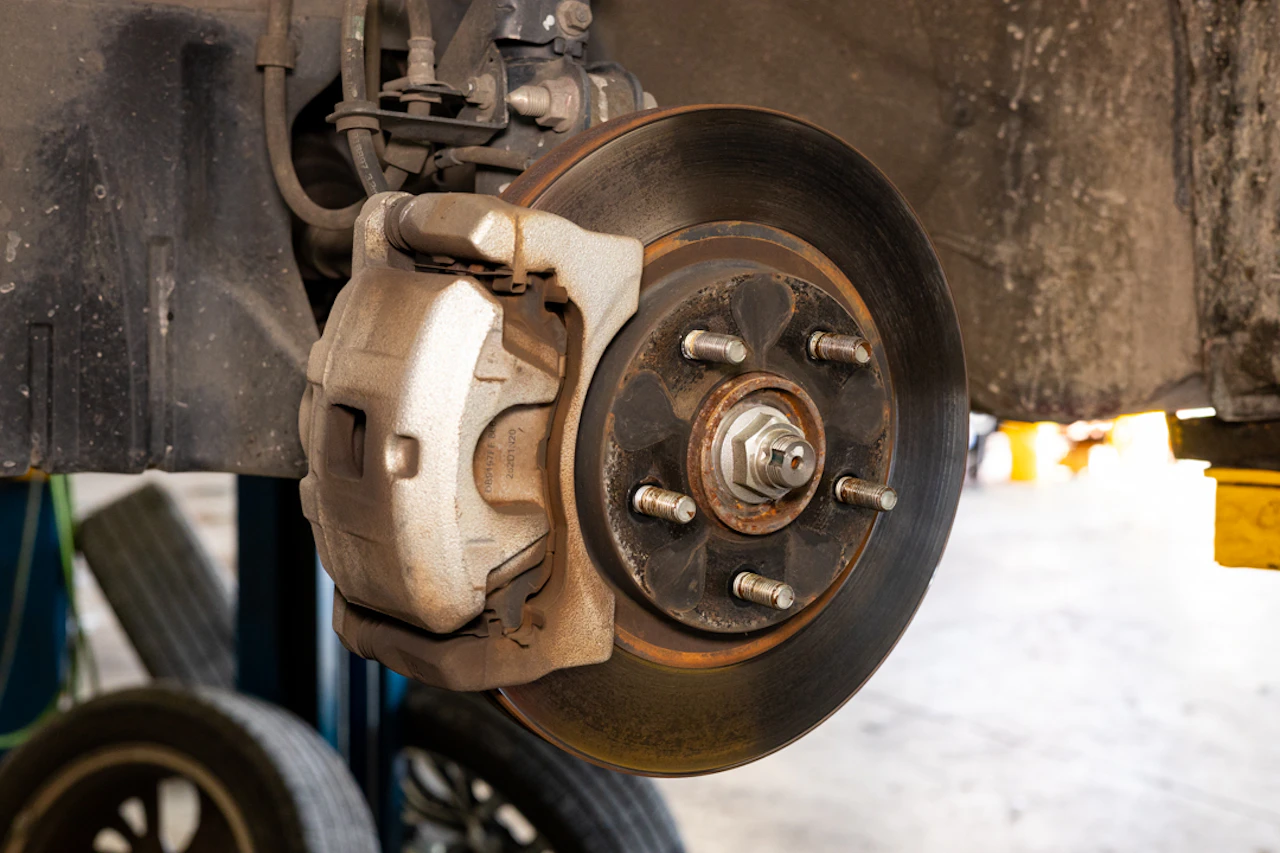
As winter rolls in, heavy-duty trucks face a whole new set of braking challenges. Frozen moisture in air lines, worn-out slack adjusters, and cracked brake shoes can spell disaster in a split second. For rigs pounding pavement through frost-covered roads, a well-maintained brake system is more than just recommended, it’s mission-critical.
From service chambers to S-cams, winter is when every part of your brake system is pushed to the edge. Let’s dive into what needs checking, fixing, and replacing to keep your truck winter-ready and roadworthy.
Why Cold Weather Wreaks Havoc on Air Brake Systems
Cold weather doesn't just chill your bones, it chokes your brake system. Air brake systems, standard on heavy-duty rigs, rely on dry, compressed air. But winter introduces one pesky enemy: moisture.
When water vapor condenses and freezes inside air lines, it can block or restrict airflow to the service chambers, stopping your brakes from engaging properly. This not only affects braking efficiency but could also lock the brakes entirely or make them dangerously slow to react.
Here’s how winter impacts common air brake components:
- Air Dryers can freeze if they're old or clogged.
- Air Compressors must work overtime, leading to overheating or failure.
- Slack Adjusters may not compensate properly in sub-zero temperatures.
- Brake Chambers become prone to diaphragm cracking from expansion/contraction.
To mitigate these problems, replace old air dryers, drain tanks daily, and test for leaks before long hauls.
The Must-Check Winter Brake Maintenance Checklist
Preventive brake checks are the difference between peace of mind and a roadside nightmare. Here’s a winter-specific brake checklist no trucker should skip:
- Inspect air dryer for moisture buildup or clogging.
- Drain air tanks daily to release water accumulation.
- Test brake chambers for slow pushrod movement or leaks.
- Manually adjust slack adjusters if automatic ones aren’t compensating.
- Check brake shoes for cracking or thinning.
- Measure drum wear and replace if out of round.
In short, your compressed air system and brake components need regular eyeballing and testing, especially after running in wet or slushy conditions.
Components That Often Need Replacing in Winter
Winter is especially cruel to parts that are already worn or borderline functional. Replacing these before deep freeze sets in is the best proactive move you can make.
- Air Dryer Cartridges: Should be replaced annually. In freezing temps, one bad cartridge can disable your whole air system.
- Slack Adjusters: Even automatics wear over time. If you’re manually adjusting them too often, it’s time for a swap.
- Brake Shoes: Winter wear accelerates with salted roads and wet grime. Thin, cracked shoes can lead to uneven braking or full failure.
- S-Cams and Bushings: Corrosion and slop in the cam mechanism reduces brake force. Replace both if there's excessive movement.
- Pushrods: Check for bending or corrosion. A bent pushrod won’t transmit force evenly.
- Air Lines: If they’re cracked or brittle, replace them now before they split mid-route.
Signs Your Winter Brake System is on the Brink
Sometimes your rig tells you something’s wrong, if you’re listening. These are common signs that your brake system is winter-stressed:
- Hissing or popping noises during brake application.
- Lag time between pedal press and brake engagement.
- Uneven stopping or wheel lock-up on one side.
- Frozen brakes after sitting overnight, usually a sign of frozen air lines.
- Grinding or screeching from worn shoes or contaminated drums.
When you hear or feel any of the above, don’t wait until it gets worse. Your brakes are talking, listen up.
Services We Recommend for Winter Brake Safety
For the best winter performance, we recommend a full brake system evaluation that includes:
- Air System Moisture Control
- Air Tank Draining
- Slack Adjuster Calibration or Replacement
- Brake Drum & Shoe Inspection
- S-Cam and Bushing Replacement
- Brake Chamber Leak Tests
- Air Line Replacement if Cracked or Dry-Rotted
This isn’t overkill, it’s what it takes to keep 80,000 lbs of metal from skidding sideways on a frosty highway.
Ready for Winter? Let Atlas Truck Repair Keep You Safe
Before that next cold front blows through, make sure your brakes are ready to respond. At Atlas Truck Repair, we specialize in winter brake repair services tailored to heavy-duty trucks and their unique needs.
Don’t roll the dice on frozen lines or worn-out shoes. Schedule your winter inspection today and stop winter problems before they start. For more information, read our article on the top things drivers forget to check before winter hauls
.webp)
.webp)
.webp)